
Croft Castle
Making my way to Croft Castle and gardens, not far from Ludlow, was nice countryside driving, passing through Cleobury and other little villages. I could see Titterstone Clee hill in the distance, which brought back memories of walking up it with my good friend Brian a few summers ago on the hottest day of the year! We followed our exhausting walk with a swim in the weir at Ludlow Castle, good memories.
It was a bit windy today, but nice enough for a walk around the castle and some of the grounds. Again another place full to the brim of history, with far too many people to remember, and in what order. I try to absorb what I can and remember the most unique or funny stories about the people or place.
People of Croft Castle
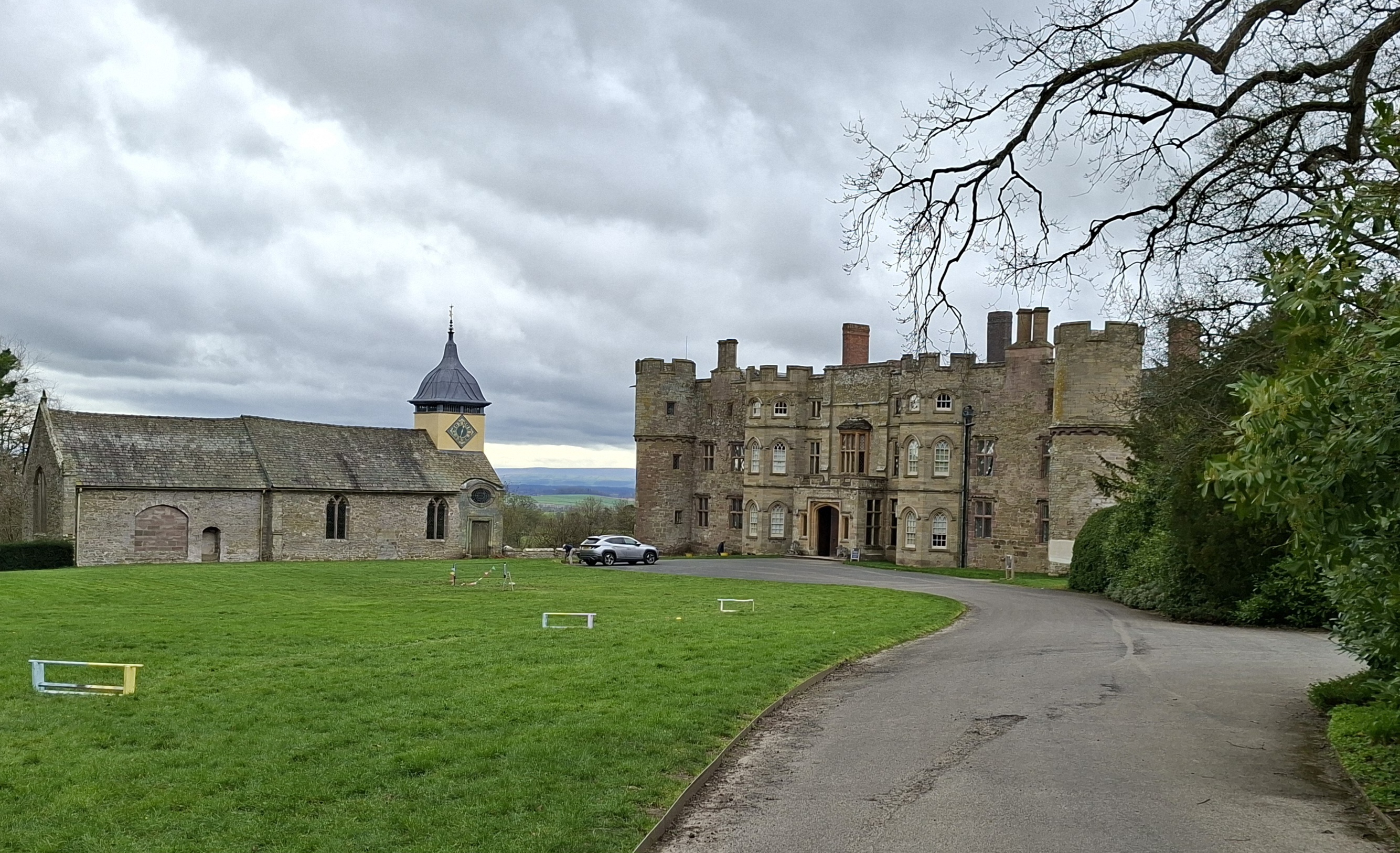
Croft was a castle that took many forms over the years, being knocked down and rebuilt. The last time it was knocked down was after the English Civil War when they wanted to stop parliamentary acquisition. After this point, in 1660’s, the successor was Bishop Herbert Croft who had no need for a castle, and instead commissioned a castle style stately home, as this was all it was required for.
The 6th Baronet, Richard Croft was a midwife, and treated Princess Charlotte, daughter of George IV. Sadly Charlotte’s son died in childbirth and she died shortly after. Richard was so riddled with guilt that he committed suicide. It was known as the ‘Tripple Tragedy’.
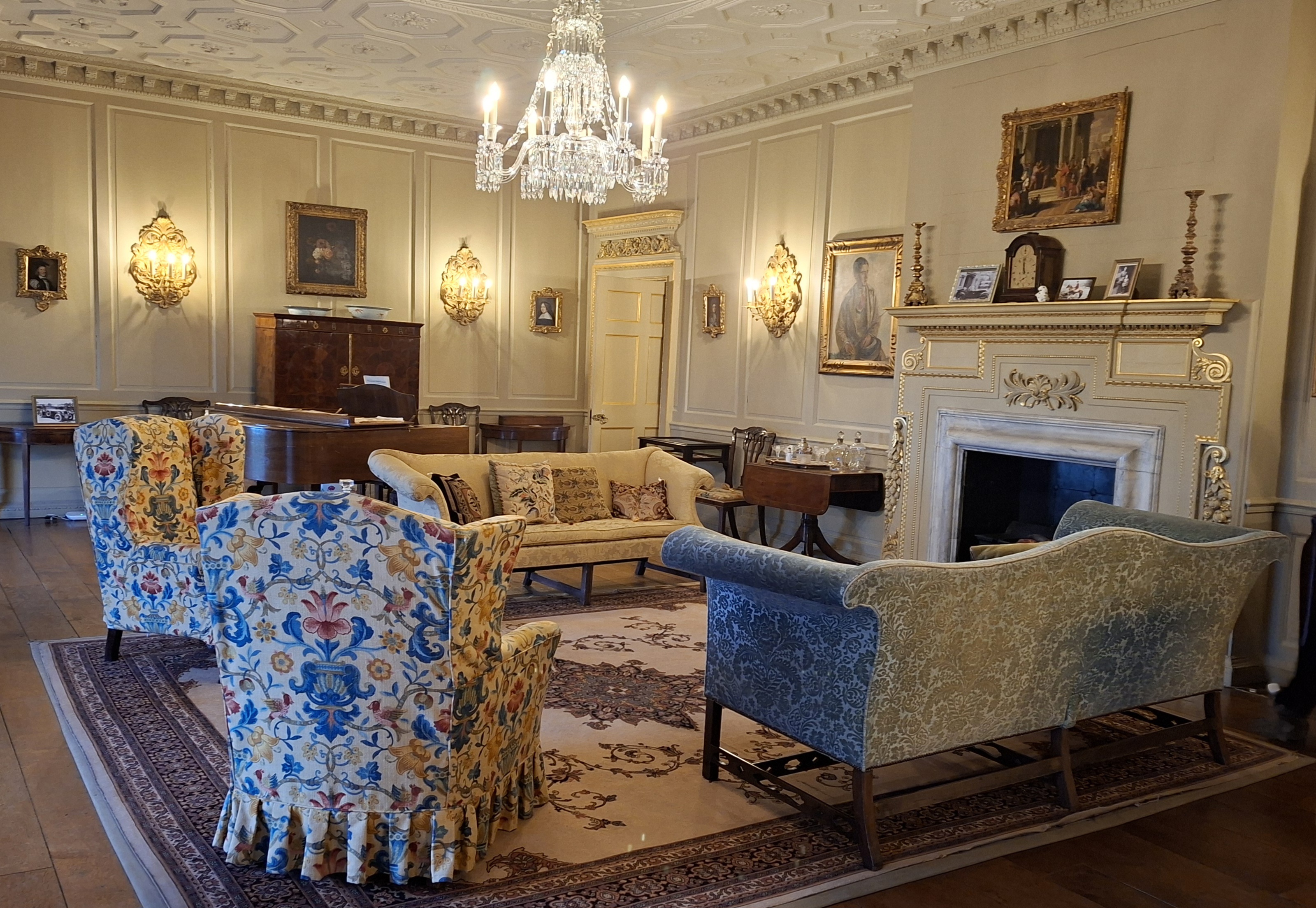
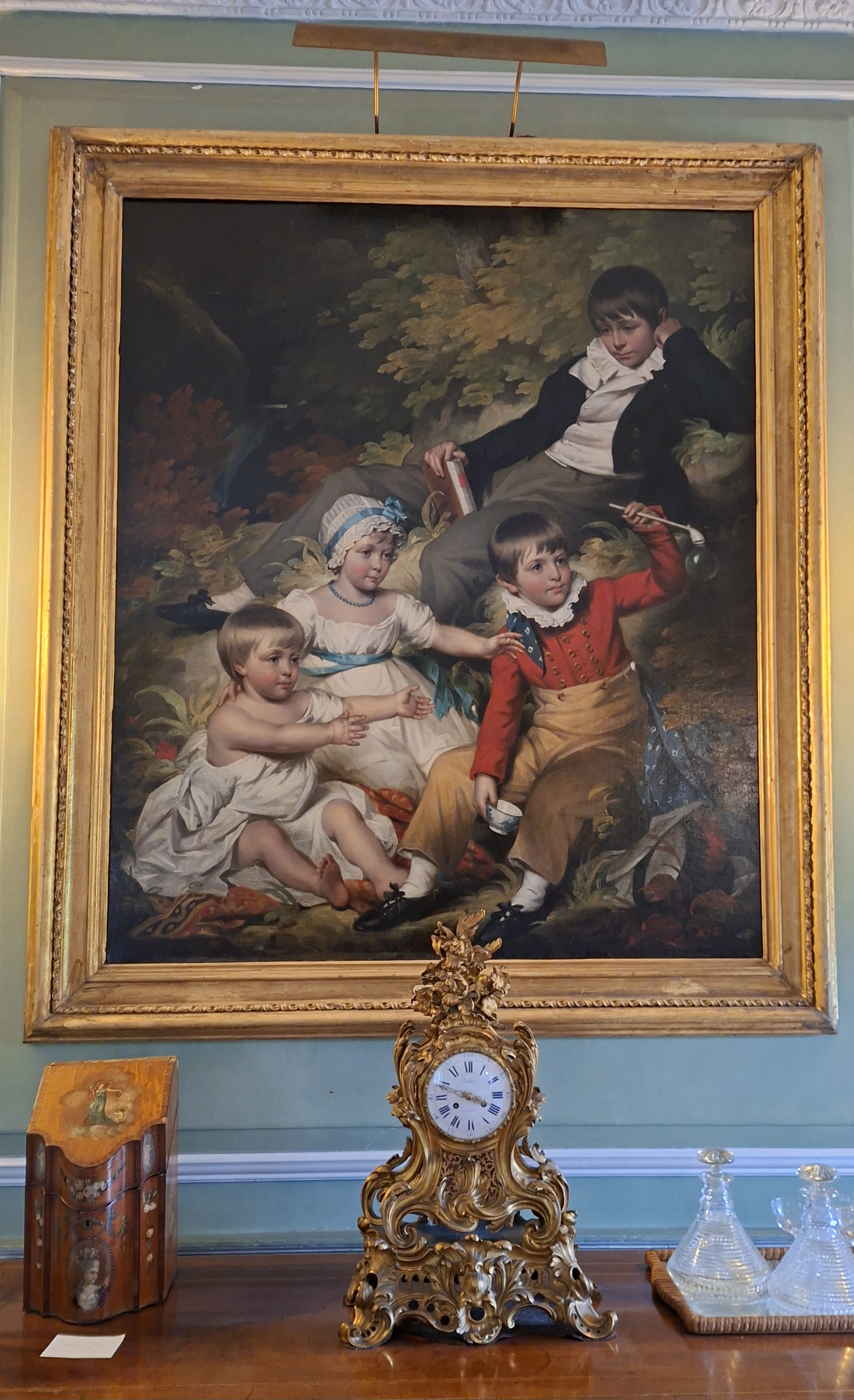
The 3rd Baronets wife, Elizabeth was thought to be a thing of beauty. She was requested to be painted by Gainsborough, and soon after by other notable painters.
Elinor, the daughter of Katherine Lady Croft, married her cousin in 1928, and they went on a 2 year long world tour honeymoon, which was organised by Thomas Cook.
Major Owen Croft, who bought the castle in the mid 1900’s, died in 1956. His wife, Stella, entered a desperate period of mourning, having her car sprayed black, her stationery lined in black, and she wore black until the day she died.
In the mid 1700’s Thomas Johnes I liked the Gothik style and requested the assistance of architect Thomas Farnolks Pritchard, who helped design the Ironbridge, to restyle the home.
In 1780, Thomas Johnes II inherited the castle. He loved the ‘Picturesque’ landscaping style, working on this style mainly at his Hafod estate, but he also planted 3 million trees at Croft.
Reverand Sir Herbert Croft was an admirer of Samuel Johnson who wrote the English Dictionary, but thought he could do a superior job of it. In 1790 he came up with 11,000 more words than Samuel, but lacked the support to publish his revised version.
Croft Grounds
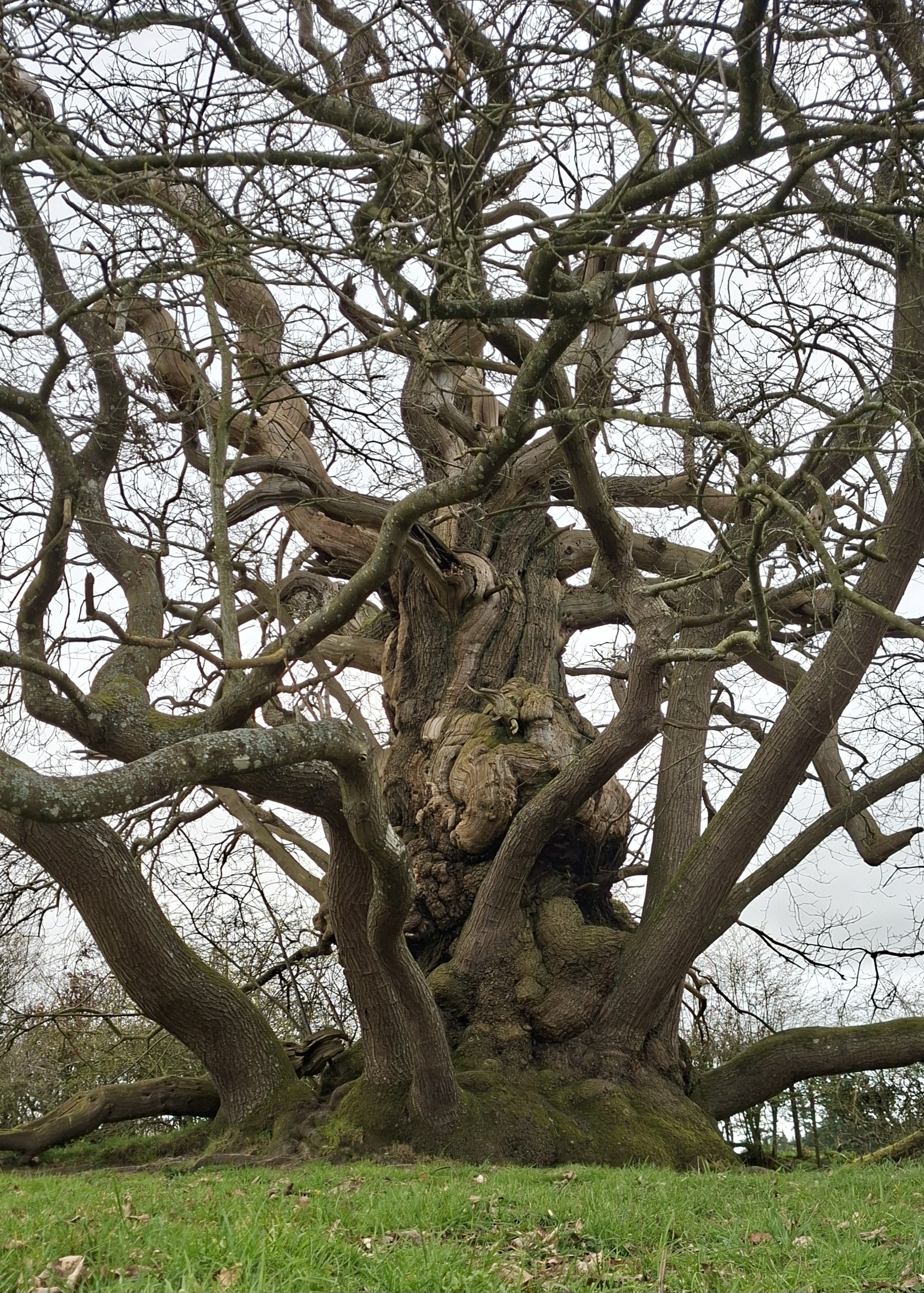
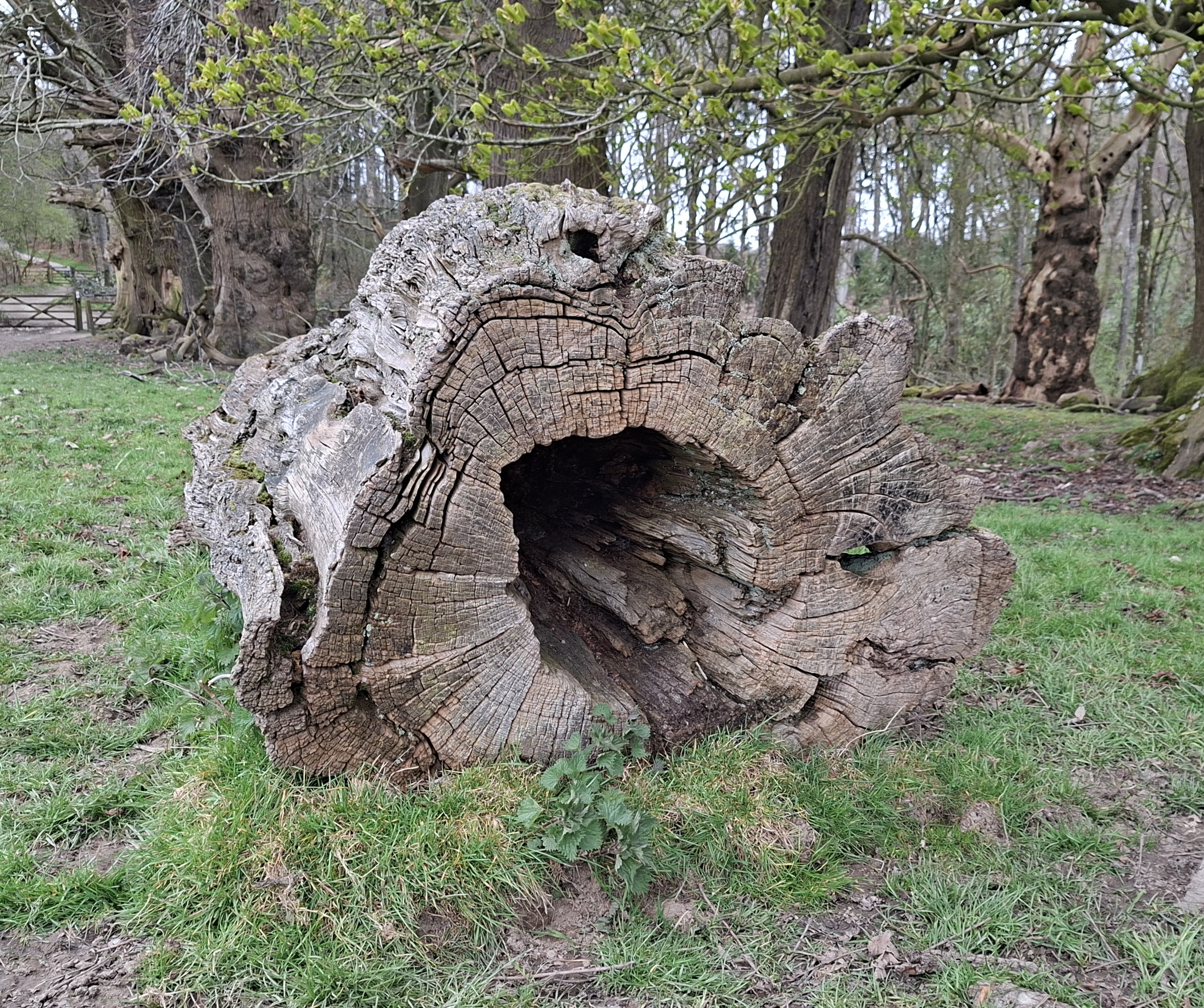
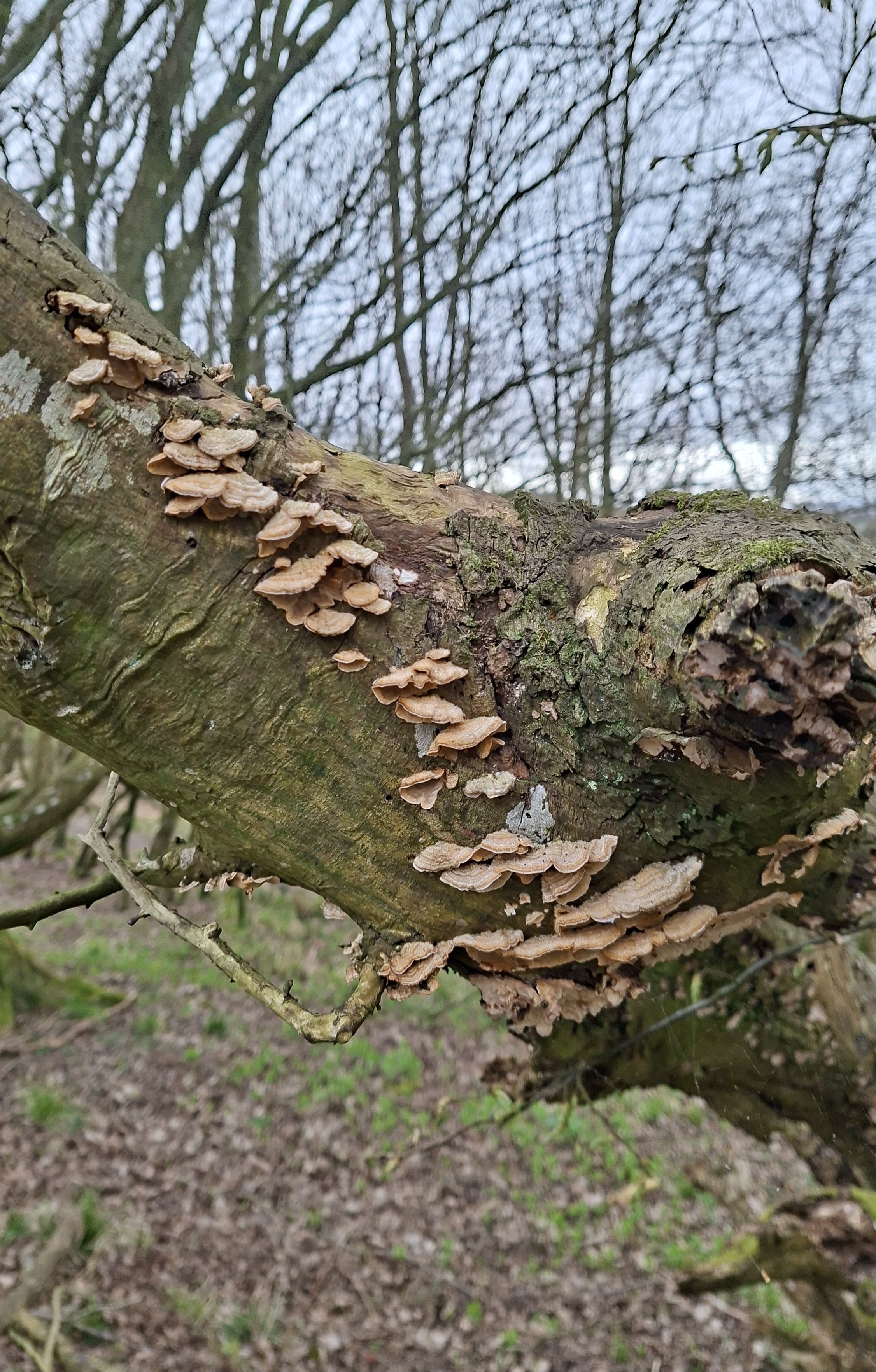
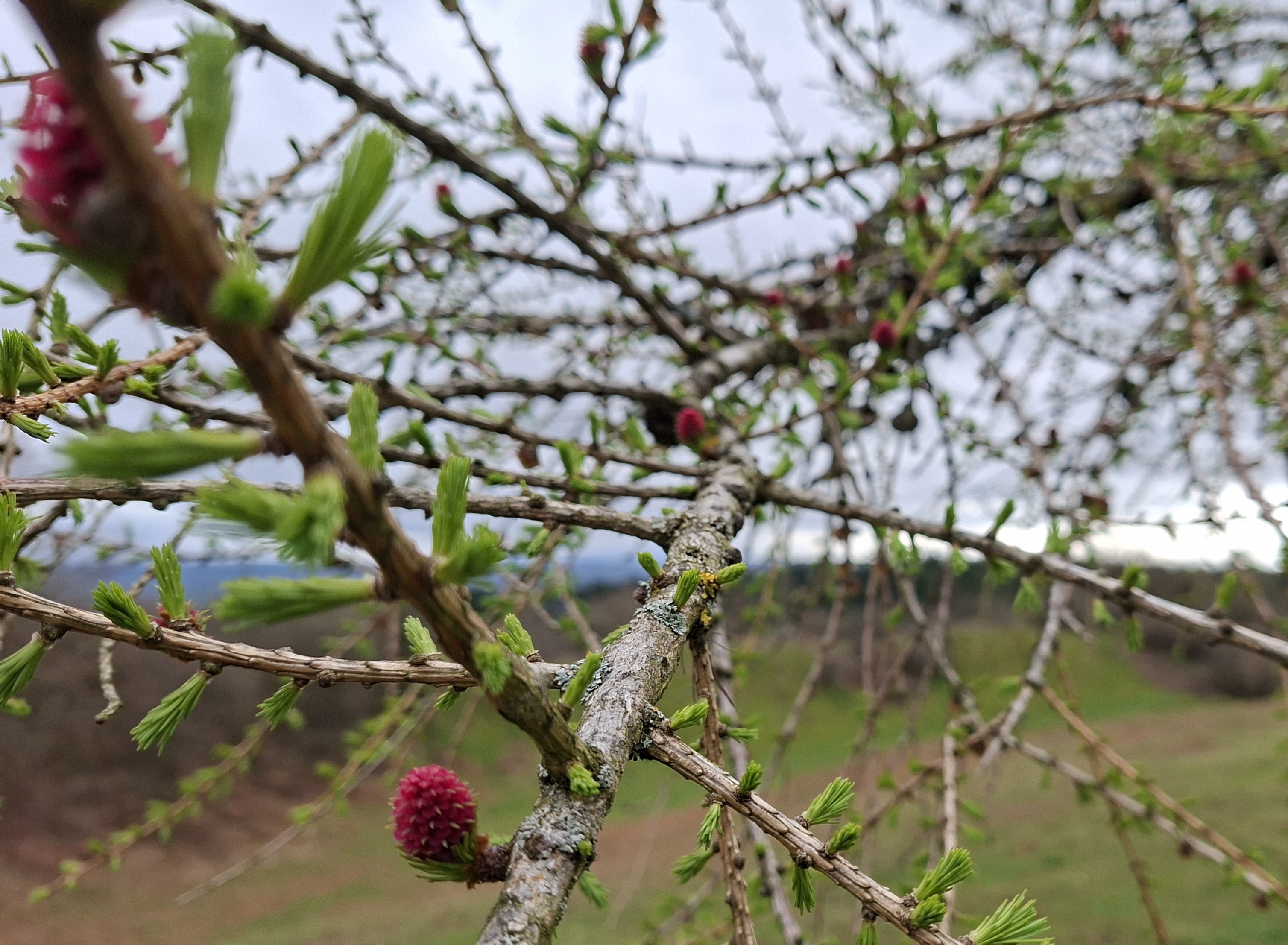
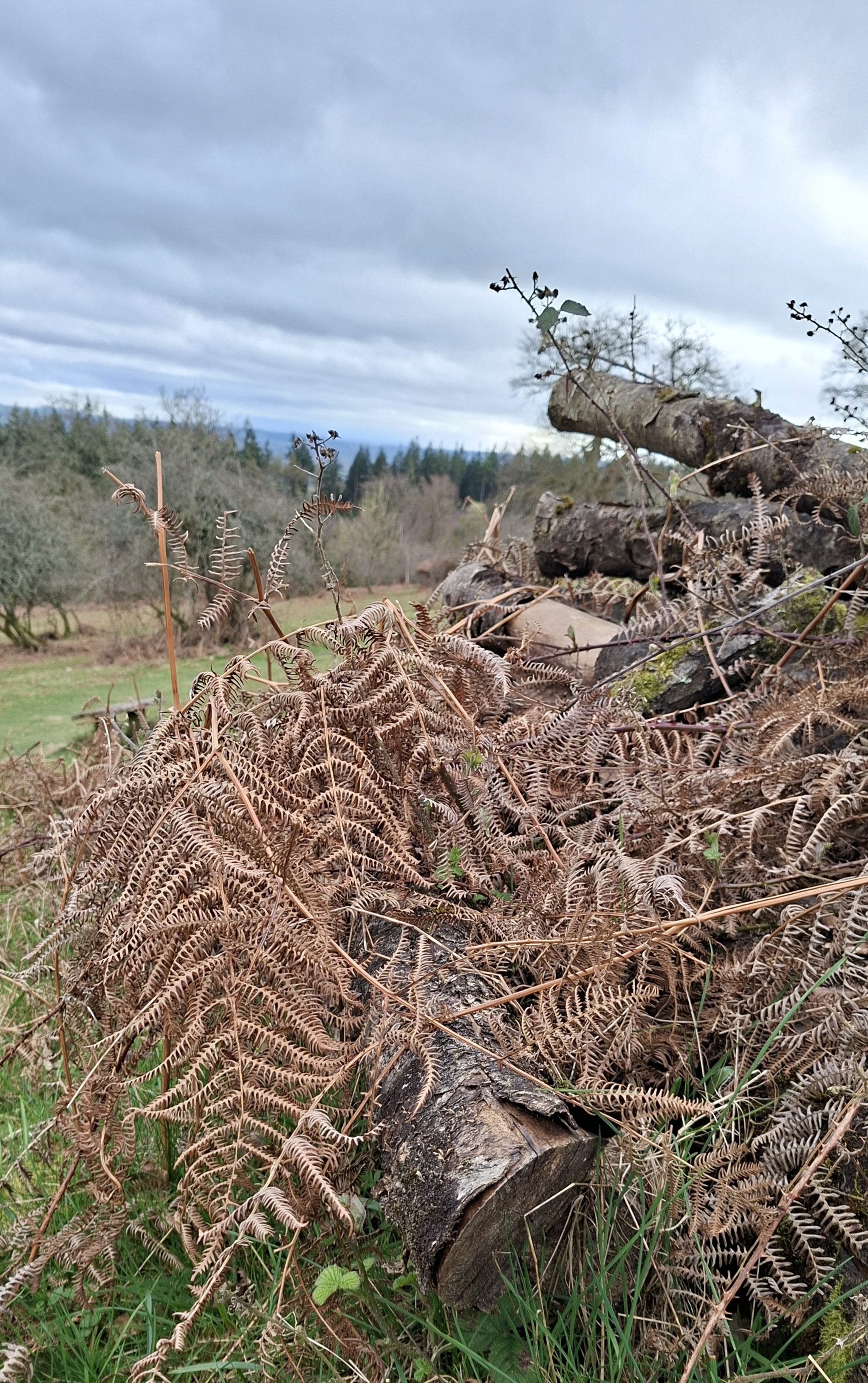
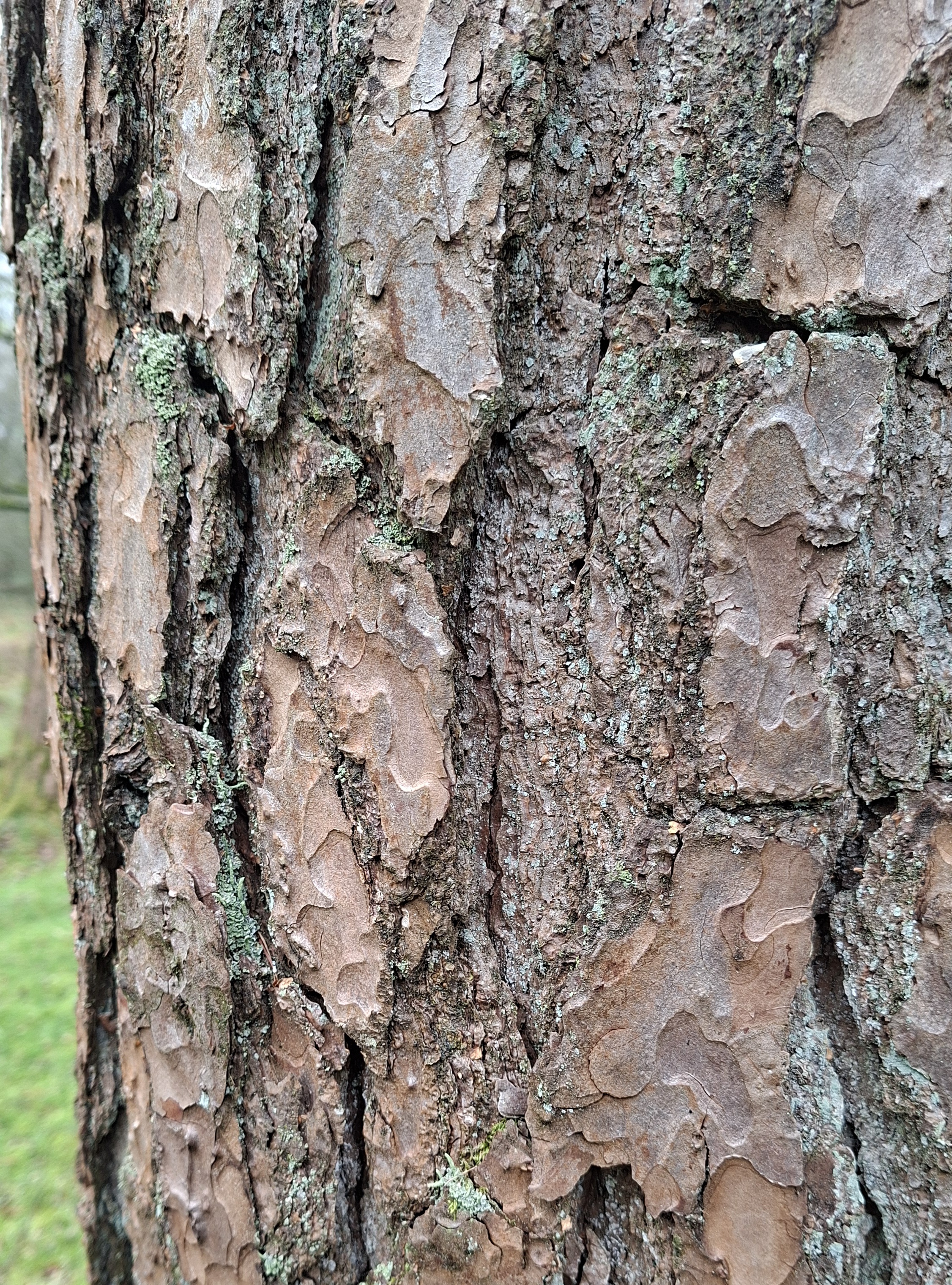
The grounds of Croft castle are vast and offer multiple walks. I took the route that takes in the Iron age fort. As with most places I visit I end up taking more pictures of the outdoors than I do the indoors. There were many twisted and old trees on the land, shown by the sheer size of the trunks. I walked through the woodland tracks and heard the winds blowing in the treetops of the really tall spindly trees. It reminded me of when we were younger and we used to make bases in the woods by our house. We used to call different areas of the woods different names, and the one area where the tall trees were, was named The Windy Trees, yes very original I know! It really emphasised the sound of the wind and was quite eerie.
The Iron age fort on the Croft estate dates back to 900BC, and is basically a mound of earth, but they have unearthed weapons and pottery and such like. It is a great spot on top of the hill, with good views all around. There are lots of benches dotted along the route and I took a moment to stop on one and have a lie down, close my eyes and listen to the sounds around me, mostly the wind and birds, beautiful and relaxing.